
🌿 Poison Ivy: What You Need to Know (and How to Deal With It Safely)
If you’ve ever spent time working or relaxing outdoors, chances are you’ve come across poison ivy—and probably not in a good way.
At ProMark Landscaping & Tree Service, we deal with poison ivy all the time on properties across Eastern PA and NJ. While it’s one of the most frustrating plants homeowners face, understanding it can help you avoid problems—and know when it’s time to call in professionals.
What Is Poison Ivy?
Poison ivy (Toxicodendron radicans) is a common plant found throughout North America, especially in areas like:
Woodline's
Roadways
Fence lines
Stream banks
Landscaped properties

It’s incredibly adaptable—thriving in both sunny and shaded areas, and in moist or dry soil conditions.
You’ll typically recognize it by its classic “leaves of three” pattern, but it can grow in different forms:
Low-growing shrub
Ground cover
Climbing vine (on trees, fences, and buildings)

Why Is Poison Ivy So Dangerous?
The issue isn’t the plant itself—it’s the oil inside it called urushiol.
This oil is found in:
Leaves
Stems
Roots
Even dead plant material
And here’s the problem: it sticks to just about anything.
When it comes into contact with your skin, it can cause an allergic reaction known as contact dermatitis.
Common symptoms include:
Redness
Itching
Swelling
Blisters (in more severe cases)
These symptoms typically appear 12–48 hours after exposure and can last for 1–3 weeks.
The Biggest Misconceptions About Poison Ivy
Let’s clear up a few things we hear all the time:
“The rash spreads.” Not exactly. What’s actually happening is delayed reactions from different exposure levels on your skin.
“I’m not allergic." Not forever. Repeated exposure can make you more sensitive over time.
“It’s only dangerous when it’s alive.” Wrong. The oil can stay active on surfaces for years—including tools, clothing, and equipment.
How to Protect Yourself
If you’re working around your yard or wooded areas, take precautions:
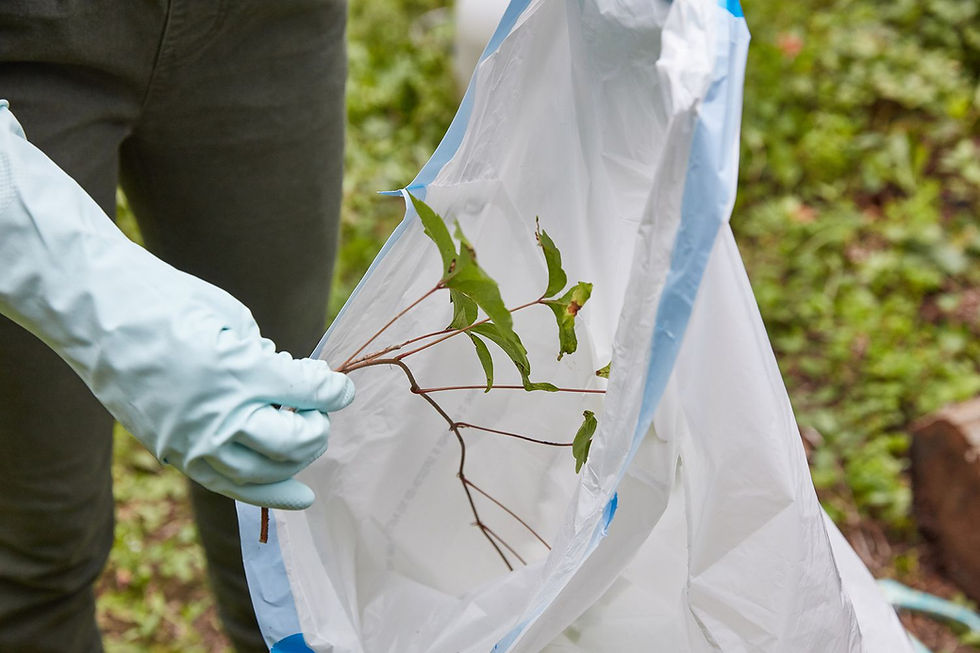
Wear gloves (rubber is best), long sleeves, and pants
Wash exposed skin immediately with soap and water
Wash clothing separately after exposure
Be careful with tools and equipment—they can carry the oil
⚠️ Never burn poison ivy The smoke can carry the oil and cause serious internal reactions if inhaled.
How to Get Rid of Poison Ivy
There are a few ways to manage it—but not all are easy or safe:
Small areas:
Hand removal (with proper protection)
Repeated cutting to weaken the plant
Larger infestations:
Professional herbicide treatments (like glyphosate or triclopyr)
Targeted applications to prevent damage to surrounding plants
Climbing vines:
Cut and treat the stem to stop regrowth
Why It Keeps Coming Back
Poison ivy spreads in multiple ways:
Seeds (often spread by birds and wildlife)
Underground roots (rhizomes)
Regrowth from cut stems
This is why DIY removal often turns into a recurring problem.
When to Call a Professional
If poison ivy is:
Climbing trees or structures
Spreading through landscaping beds
Covering large areas
Near high-traffic areas (homes, playgrounds, walkways)
…it’s best to let professionals handle it safely and effectively.
Final Thoughts
Poison ivy may actually benefit wildlife and the environment in some cases—but when it’s on your property, it’s a problem that needs to be handled carefully.
Knowing how to identify it, avoid it, and properly remove it can save you a lot of discomfort—and prevent it from taking over your yard.
Comments