
Where Does All That Rainwater Go? Understanding What Happens After It Rains
Most people notice the rain while it's falling. What often goes unnoticed is what happens after the storm passes.
Every property has a drainage system, whether it was intentionally designed or not. The way water moves across your lawn, landscape beds, driveway, and foundation can have a significant impact on the health of your property.
When drainage is working properly, rainwater moves away from structures and vulnerable areas. When it isn't, the results can be costly.
Why Water Doesn't Always Go Where You Want It To
Many property owners assume that if they don't see standing water, everything is fine. However, drainage problems often develop slowly over time.
Common causes include:
Improper grading around the home
Compacted soil that prevents water absorption
Clogged or damaged drainage systems
Low spots in the lawn
Downspouts that discharge too close to structures
Erosion caused by repeated runoff
Even small drainage issues can worsen with every storm.

Signs Your Property May Have a Drainage Problem
Keep an eye out for these warning signs:
Water pooling in the lawn after rainfall
Mulch washing out of landscape beds
Soil erosion on slopes
Soggy areas that never seem to dry
Water stains near foundations
Dying grass in low-lying areas
Cracks in walkways or retaining walls
Many homeowners live with these issues for years without realizing they can often be corrected.
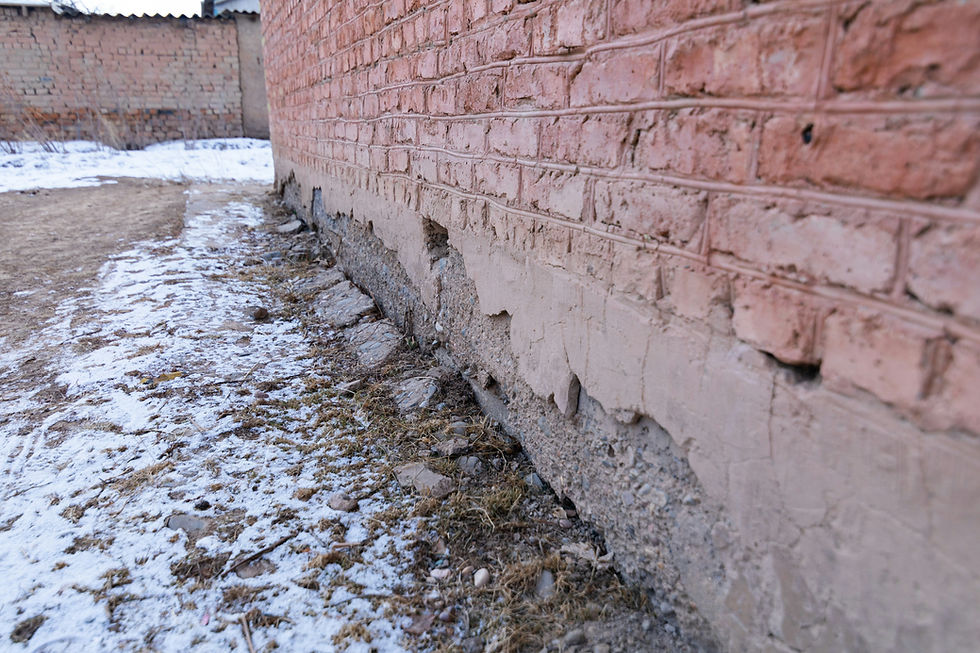
The Hidden Costs of Poor Drainage
Water is incredibly powerful. Over time, unmanaged runoff can:
Damage foundations
Wash away valuable topsoil
Kill turf and landscape plants
Create mosquito breeding areas
Cause slippery walking surfaces
Lead to costly repairs
Addressing drainage concerns early is often much less expensive than repairing the damage they cause later.
Solutions That Can Help
Every property is different, which means there is no one-size-fits-all solution.
Depending on the situation, improvements may include:
Regrading problem areas
Installing French drains
Extending downspouts
Building swales to redirect water
Installing drainage pipe systems
Creating retaining walls or erosion-control measures
The goal is simple: move water safely away from areas where it can cause damage.
A Healthy Landscape Starts Below the Surface
Beautiful landscaping isn't just about what you can see. Some of the most important work happens underground and behind the scenes.
When drainage is properly managed, lawns stay healthier, plants thrive, and structures are better protected from long-term water damage.
If you've noticed puddles, erosion, or soggy areas around your property, it may be time to take a closer look at where all that rainwater is actually going.
At ProMark Landscaping, we help homeowners and property managers identify drainage issues and develop practical solutions that protect their properties for years to come.
Comments